Es gibt keine Website-Inhalte zu Ihrer Suchanfrage.
Website-Inhalte
Sie haben sich erfolgreich abgemeldet.


Noch nicht registriert?
Zentralvenöser Katheter (ZVK) Certofix®
B. Braun bietet Ihnen ein umfassendes Portfolio an zentralvenösen Kathetern für erwachsene und pädiatrische Patient*innen. Als Ihr Systempartner für ultraschallgestützte ZVK-Anlagen und EKG-geführte Katheterspitzenpositionierung ist es unser Ziel, die Sicherheit bei der Platzierung zentralvenöser Katheter kontinuierlich zu verbessern.


Unser Portfolio mit verschiedenen Lumen-Konfigurationen und nicht-beschichteten Kathetern wird ergänzt durch Certofix® protect.
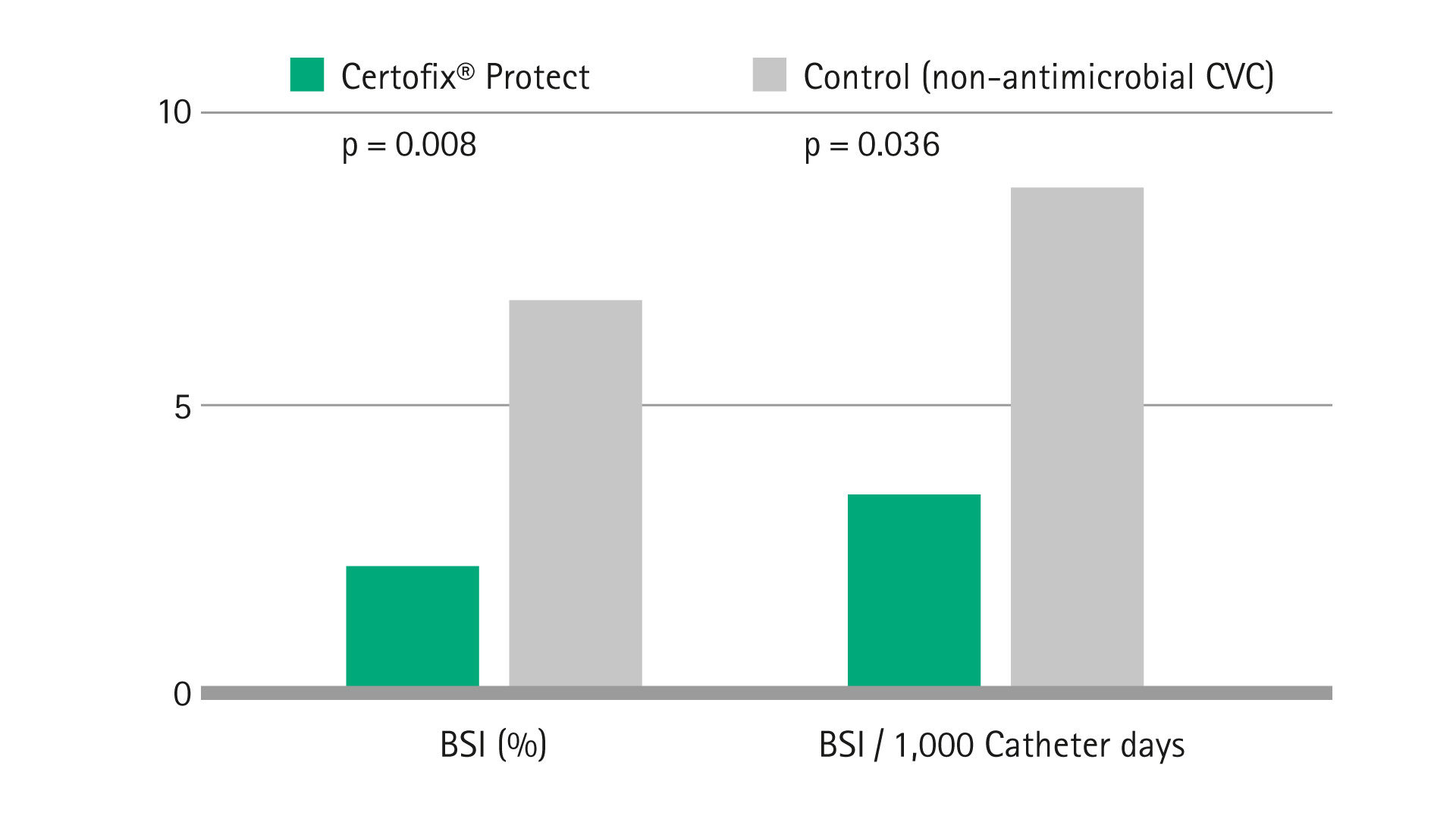
Der zentralvenöse Katheter verfügt nachgewiesen über antimikrobielle Eigenschaften ohne Wirkstofffreisetzung über einen Zeitraum von bis zu 30 Tagen.
*Krikava I, et al. Die Wirksamkeit eines nicht auslaugenden antibakteriellen zentralen Venenkatheters – eine prospektive, randomisierte,
doppelblinde Studie. Biomed Pap Med Fac Univ Palacky Olomouc Tschechische Republik 2020 Jun;164(2):154-160.
4.200 € bis
0 €
zusätzliche Kosten werden pro Fall durch katheterassoziierte Blutstrominfektionen (CRBSIs / catheter related blood stream infections) verursacht.
Die kundenspezifischen Certofix® Sets beinhalten, abhängig von der individuellen Konfiguration, eine Vielzahl unterschiedlicher Komponenten, z.B.:
Die Certofix® Produktlinie von B. Braun wird durch ein umfangreiches Zubehörprogramm zur intra- oder postinterventionellen EKG-geführten Positionierung der Katheterspitze ergänzt.
Das System ist kompatibel mit den meisten gängigen EKG-Monitoren.
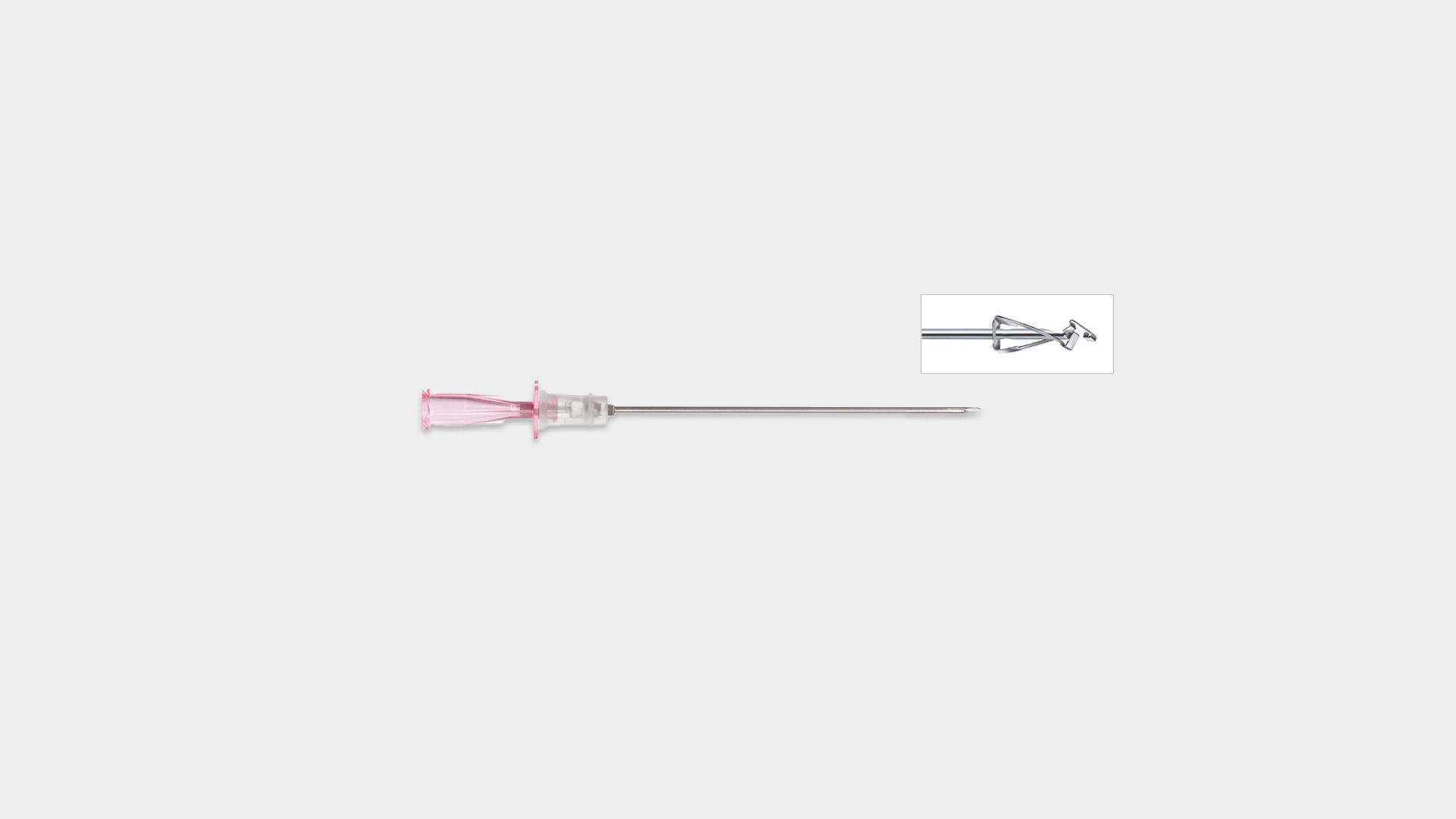
Die Seldingerkanüle Safety verfügt über einen integrierten Sicherheitsclip, der nach Gebrauch aktiviert wird und Nadelstichverletzungen verhindert.
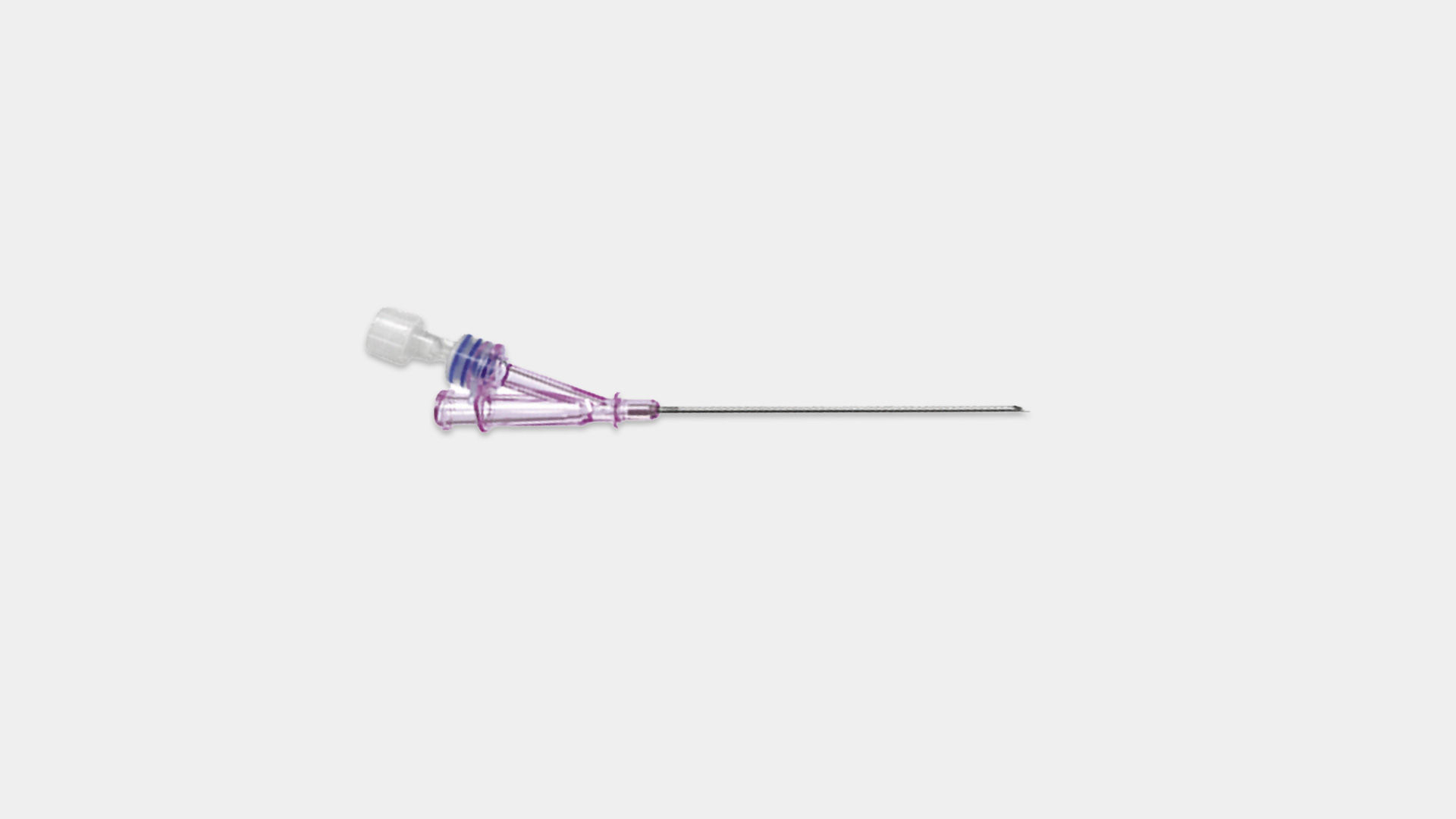
Die Ventilkanüle ermöglicht das Einführen des Führungsdrahts und die Aspiration, ohne die Spritze abzukoppeln. Darüber hinaus wirkt sie präventiv gegen Luftembolien und übermäßigen Blutverlust während der Drahtvorschubphase.
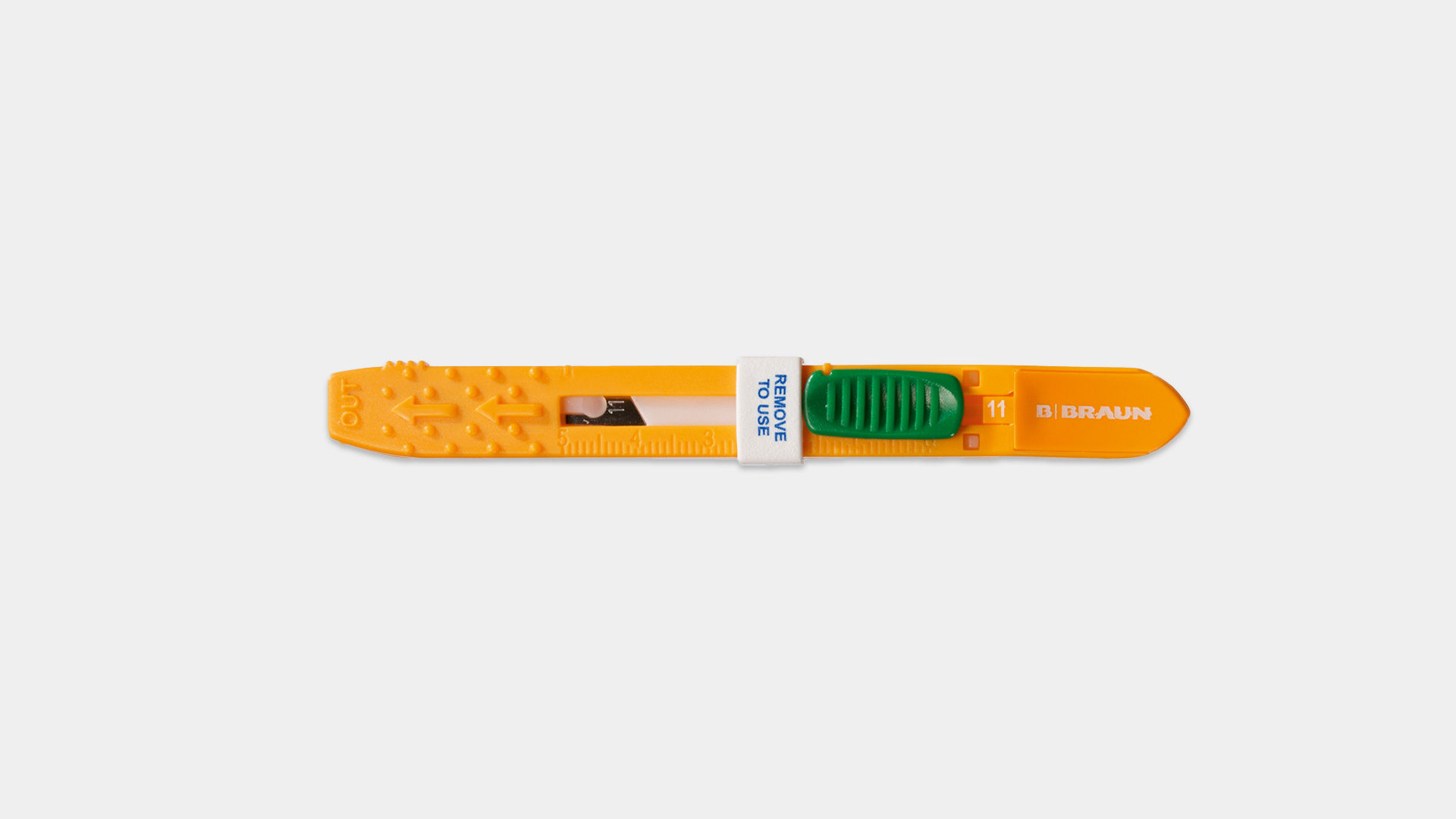
Zur Vermeidung von Schnittverletzungen kann die Klinge nach der Anwendung sicher im Griff versenkt und arretiert werden.
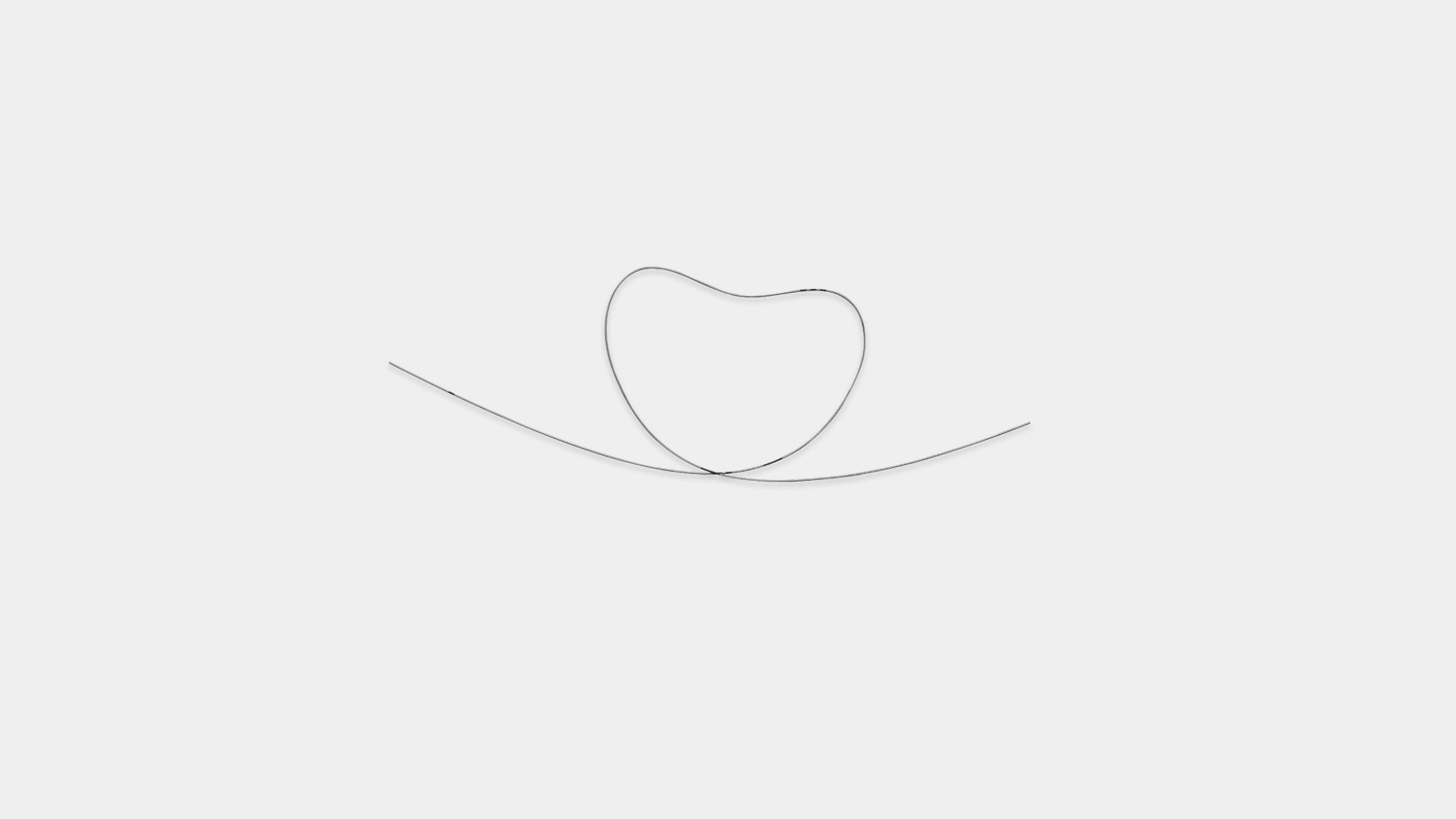
Der Nitinol Führungsdraht vereint „J“-Spitze und gerade Spitze. Beide Enden sind flexibel und für die Einführung geeignet. Alle Führungsdrähte verfügen über Längenmarkierungen.
Sie sind flexibel und widerstandsfähig gegenüber Knick- oder Knotenbildung, um die erfolgreiche Einführung des Führungsdrahts und die Platzierung des ZVK zu erleichtern.
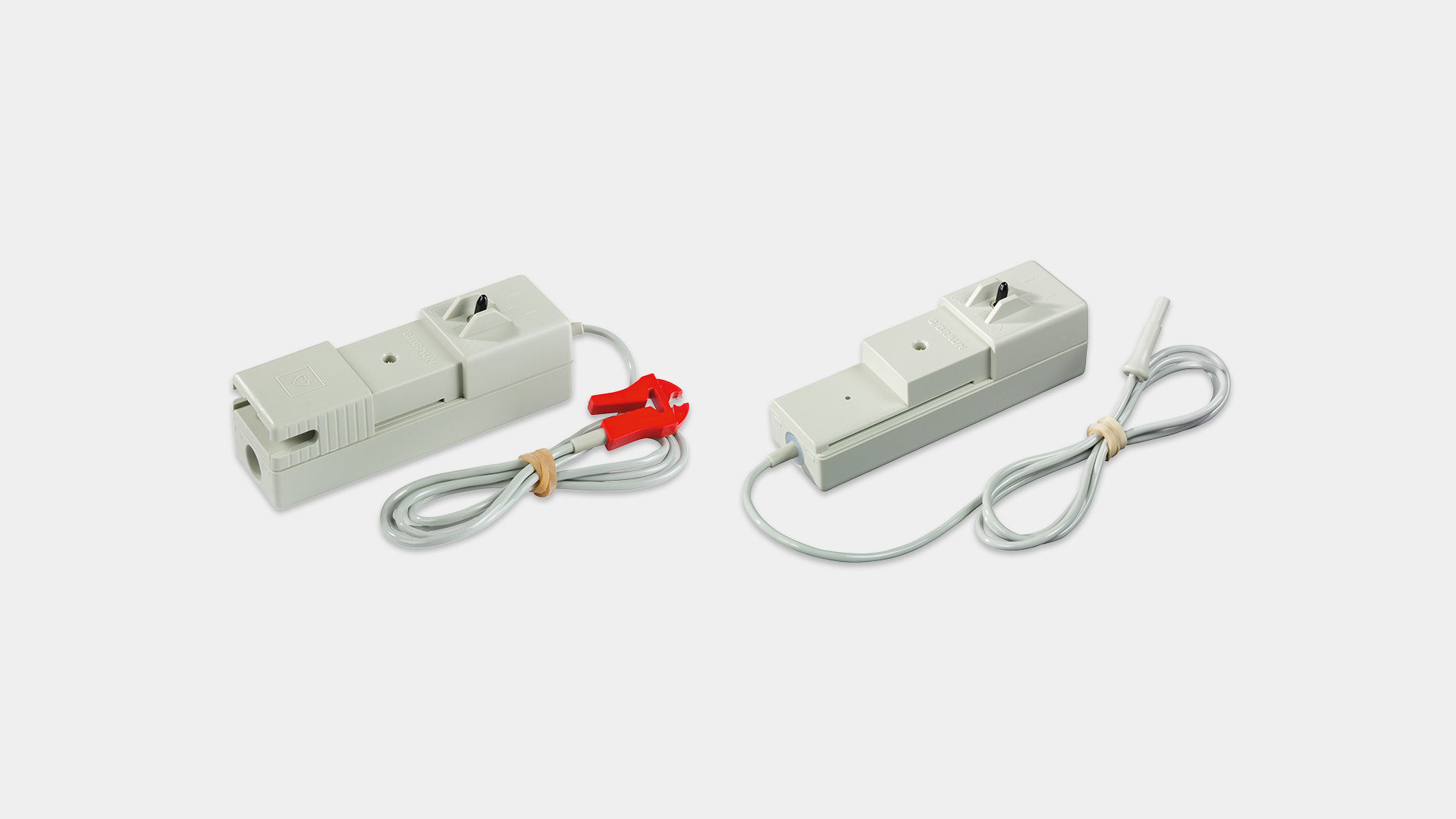
Certodyn® Universaladapter und Certodyn® Universaladapter Paed